

Start by sorting items into categories: keep, donate, and discard. Then, tackle one room at a time for efficiency.
Cleaning out a parent’s house after their death can be emotionally challenging and overwhelming. Breaking the task into manageable steps helps ease the burden. Begin by creating three categories: items to keep, donate, and discard. Approach the process one room at a time to avoid feeling overwhelmed.
Involving other family members can provide emotional support and help with decision-making. Setting a timeline can also keep the process on track. Properly organizing and categorizing items ensures a smoother and more efficient cleaning process. Remember, taking breaks and seeking professional help if needed can make this difficult task more bearable.
Preparing Emotionally
Facing the task of cleaning out a parent’s house after their passing demands emotional readiness. Taking time to grieve before starting helps manage the overwhelming process.
Allowing Grief
It’s important to allow yourself to grieve. Take time to remember happy moments. Crying and feeling sad is okay. These feelings are normal. Talking about your parents can help. Share stories with family and friends. Grief takes time and should not be rushed. Be patient with yourself.
Seeking Support
Seeking support is crucial. Talk to friends and family about your feelings. They can offer comfort and understanding. Consider joining a support group. Sharing with others who have similar experiences can be helpful. Professional help is also an option. A counselor can provide guidance and support.

Credit: goloadup.com
Gathering Supplies
Start with gloves to keep your hands safe. Trash bags are needed for waste. Use cleaning sprays to dust and sanitize. Boxes are useful for sorting items. A toolkit can help with disassembly. Labels will keep things organized. Markers are needed for writing labels. Vacuum cleans floors and carpets.
Get bubble wrap for fragile items. Packing paper is useful to wrap things. Use moving boxes of different sizes. Tape is essential for sealing boxes. Labels help in identifying box contents. Markers are needed to write on labels. Furniture covers protect large items. Ziploc bags store small parts and pieces.
Setting A Timeline
Start by making a detailed schedule. List all tasks that need to be done. Break down big tasks into smaller, manageable steps.
Assign specific dates and times for each task. Stick to this schedule as much as possible. This will help to keep you on track.
Set realistic goals for each day. Don’t try to do everything at once. Give yourself enough time to rest.
Understand that some tasks may take longer than expected. It’s okay to adjust your timeline. Be kind to yourself during this process.
Sorting Belongings
Start by creating three piles: keep, donate, and trash. This will help in organizing the items. Use labeled boxes to keep everything neat. It makes the process easier and faster. Involve family members to decide on important items. Some things may hold sentimental value. Allocate enough time for this step.
Focus on items with emotional value or practical use. Family heirlooms, photos, and important documents are top priority. Consider the space you have at home. Think about storage solutions if needed. Items that bring joy should be kept. Assess if you will actually use the item. If not, it might be better to let it go.
Managing Sentimental Items
Start by sorting through items with care. Keep photos and letters that hold special meaning. Create a memory box for small, cherished items. Take photos of larger items that cannot be kept. Share memories with family members by creating an album or scrapbook. This helps everyone feel connected.
Cleaning out a parent’s house can be emotionally challenging. It is important to take breaks and breathe. Share stories and memories with loved ones. Seek support from friends or a counselor if needed. Allow yourself to grieve and heal. Remember, it is okay to feel sad or overwhelmed during this process.
Donating And Selling
Find local charities that need items. Check their donation guidelines first. Some charities may only take specific items. Contact them to confirm what they need. This saves time and ensures your items go to good use. Many charities offer free pickup services. This helps you donate large items easily.
Sort items into categories like furniture, clothes, and books. Price items fairly to attract buyers. Use online platforms like eBay and Craigslist. Host a garage sale for quick cash. Advertise the sale in local communities. Make sure to display items neatly for better sales. Offer discounts for bulk purchases. This helps to clear out items faster.
Hiring Professional Help
Estate cleanout services can save time and reduce stress. These professionals sort through belongings and dispose of unwanted items. They also help with donations and recycling. This service ensures the home is emptied quickly and efficiently. Hiring professionals can be a wise choice during an emotional time.
Professional organizers specialize in arranging and categorizing belongings. They assist in deciding what to keep, donate, or discard. Organizers can create a systematic plan for the cleanout process. Their expertise helps in managing the emotional and physical aspects of the task.

Credit: upfront.ngsgenealogy.org
Finalizing The Process
Start by sorting belongings into categories. Keep, donate, sell, and throw away items. Label each item clearly. Get help from family and friends. Use professional cleaning services for deep cleaning. This ensures the house is ready for the next steps.
Check the house for needed repairs. Fix any issues before listing the house. Repaint walls and replace old carpets. This gives a fresh look. Hire a real estate agent for professional advice. They can help with pricing and marketing the property.
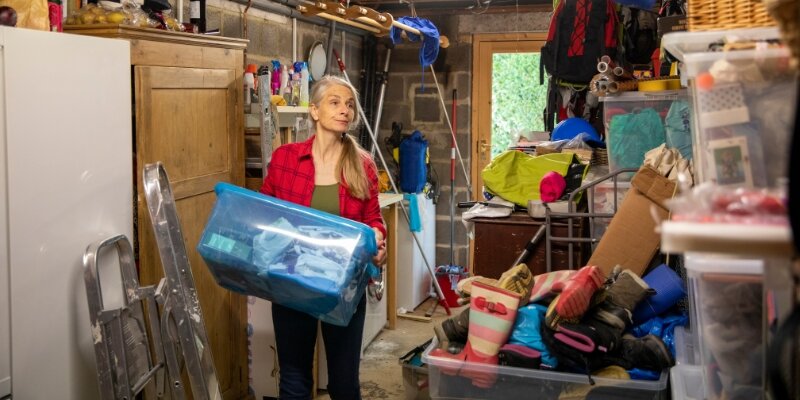
Credit: www.txcashhomebuyers.com
Frequently Asked Questions
What Should I Do First?
Begin by sorting items into categories: keep, donate, sell, and discard.
How Do I Handle Sentimental Items?
Take photos of sentimental items before donating or discarding. This helps preserve memories without keeping the physical items.
Should I Hire A Professional?
Hiring a professional organizer or estate service can save time and reduce emotional stress during this process.
Conclusion
Clearing out a deceased parent’s home is a daunting task. Embrace the process with patience and sensitivity. Take your time sorting through belongings and seek support from loved ones. Remember to prioritize self-care and cherish the memories made in the home.
Honor your parent’s legacy with grace.